
Retirement
From a math problem to a human problem
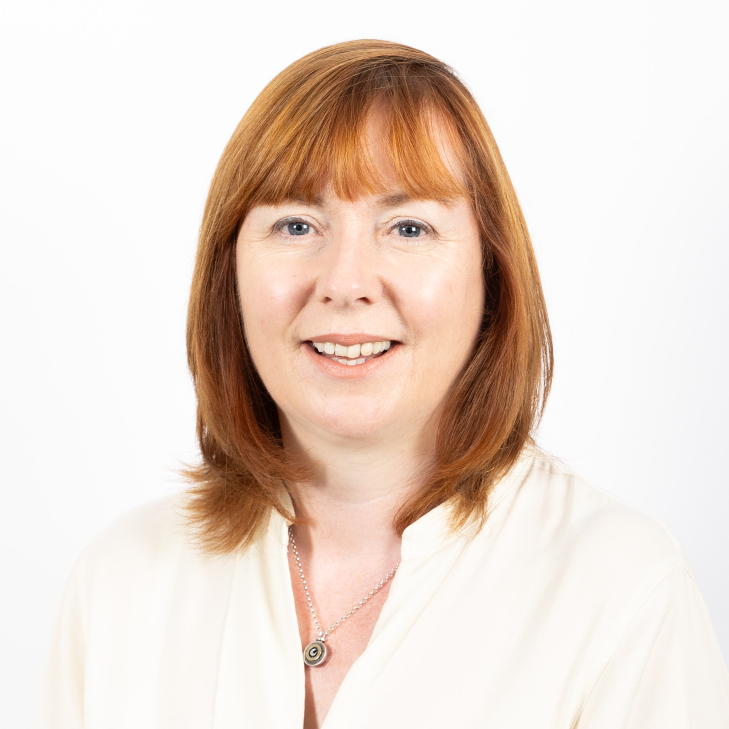
Tara O’Donoghue, Head of Engagement, speaks with Irish Broker about why retirement and pension planning has evolved, from a math problem to a human problem.
id
In our industry, it’s tempting to reduce retirement planning to a series of spreadsheets, contribution rates and projections. But the reality for most people in Ireland — and indeed across the developed world — is that pensions are no longer just a maths problem. They are, at heart, a human problem: tied to people’s hopes, anxieties, identities and visions for their later life, their second life.
For financial advisers, this shift is profound. Yes, the numbers matter — coverage, adequacy, tax relief, longevity assumptions — but what clients feel about retirement, and whether they’ve truly thought about how they want to live in retirement, is as important. Advisers who help clients tackle the human side of retirement are those most likely to help them feel ready rather than anxious as this major life transition approaches.
Here at Standard Life we track retirement readiness across three key indicators — how financially ready, how socially ready and how mindset ready clients are for retirement.
Why retirement is more than a number
Traditionally, retirement planning has been framed around actuarial tables: how much you’ve saved, how many years until retirement, and what income those savings might deliver. It’s a tidy maths problem — until you consider that people are living longer than ever before. The bestselling book The 100-Year Life: Living and Working in an Age of Longevity by Lynda Gratton and Andrew Scott argues that lifespan increases are reshaping how we think about work, life stages and retirement. In a world where living to 100 becomes increasingly common, a simple three acts of life — education, work, retirement is no longer realistic. Instead, the authors argue for a multi-stage life with periods of work, re-education, leisure and reinvention throughout a lifetime. This suggests retirement is not just a final life stage but an evolving phase — one that requires proactive planning across financial, social and mindset readiness. Their core insight for advisers is simple: retirement planning must shift from purely technical financial calculations to broader discussions about life goals, purpose and identity. Retirement isn’t merely when work stops — it’s when the next chapter begins, our second lives.
Pension coverage and adequacy: the numbers behind retirement fear
While a significant proportion of middle- and higher-income workers participate in occupational or personal pension plans, large segments of the workforce — particularly younger workers, women with career breaks, and those in precarious or self-employment — have low or inconsistent pension savings.
Pension adequacy — whether a person’s savings, in conjunction with their state pension, will deliver a reasonable income in retirement — varies widely. Many people believe their pension will be enough, only to discover near retirement that their projected income falls well short of their expectations for lifestyle, travel, hobbies, health care, or simply maintaining independence. This gap between expectation and reality is where much of retirement fear arises.
Financial advisers are uniquely placed to help bridge this gap — not only by running detailed pension forecasts, but by helping clients to articulate what retirement means to them: where they want to live, how they want to spend their days, and what financial resources they will need to support that life.
Auto-Enrolment: a systemic boost to coverage
One of the most promising developments in Irish pensions policy is the introduction of auto-enrolment. While there are still concerns about how the system will deliver, the broad consensus is that it will significantly increase participation among those who might not otherwise save for retirement.
Auto-enrolment tackles a core behavioural barrier: inertia. Many people simply never get around to setting up a pension. By making participation automatic, coverage increases, and participation rates rise — particularly among younger workers, lower-paid workers and those without access to traditional workplace pensions. Over time, this should significantly enhance pension coverage at the population level.
However, auto-enrolment doesn’t solve the human problem. It gets people into a pension plan, but it doesn’t ensure they understand their retirement journey. This is where advisers remain indispensable: helping clients interpret what their projected pension means for their life plans, and encouraging active engagement rather than passive enrolment. Instilling great financial confidence and encouraging more people to engage with their retirement planning.
From tools to conversations: making retirement planning human
At Standard Life Ireland’s Retirement Hub, advisers and clients alike can access a range of practical tools designed to support retirement planning in a more holistic way. These include:
- The Second Life Questionnaire: encouraging people to think beyond numbers and reflect on what kind of life they want in retirement. It’s short and simple, but bound to provoke a conversation.
- The Retirement Calculator: helping your clients quantify how much income they will need in their second life.
- The Countdown to Retirement: outlining steps to take 10, 5 and 1 year out from planned retirement.
These tools are valuable — but they prompt questions more than they provide answers. It’s the adviser who must sit with a client and ask: What do these numbers mean for your daily life? Are you planning to travel, pursue hobbies, support family members, or scale back work gradually? How will health, relationships and purpose play into your retirement?
This broader dialogue helps move the client beyond a purely transactional view of retirement (i.e. “Do I have enough money?”) to a meaningful exploration of goals and a life of possibilities.
The adviser’s role: from technical expert to life partner
Financial advisers have traditionally been seen as providers of technical advice: helping clients choose products, maximise tax relief, balance risk and return, and achieve the best possible financial outcome. But the coming decades demand something more.
Advisers are now, increasingly, life partners in the retirement journey — professionals who help clients make sense of complexity, set priorities, and build confidence in the future. This doesn’t mean becoming therapists or life coaches, but it does mean recognising that:
- Numbers are only part of the story. The human dimensions of retirement — purpose, identity, relationships, health and autonomy — matter just as much.
- Retirement planning is iterative. It’s not a one-time calculation but a series of conversations over years or decades.
- Clients need empowerment, not fear. Too many people enter retirement feeling anxious or unprepared. Advisers can foster confidence by helping clients understand their options and make intentional choices.
- In the spirit of The 100-Year Life, advisers can encourage clients to view retirement as part of a multi-stage life, where financial planning supports not just a period of leisure but ongoing growth, contribution and transformation.
The future of retirement advice: a human-centred approach
Looking ahead, the value of advice will increasingly lie in human connection as much as technical expertise. Clients already “enjoy” general financial advice when it helps them feel organised and informed. But the real frontier is in specific, personalised advice that addresses the human problem of retirement readiness:
- Helping clients articulate what they want from retirement — lifestyles, activities, relationships, health considerations and legacy.
- Translating those aspirations into financial strategies that are realistic, flexible and resilient.
- Encouraging proactive engagement so clients stay emotionally and financially connected to their retirement journey.
In a world of increasing longevity, pensions are about more than adequacy; they are about agency: the ability of individuals to shape their later years with intention rather than fear. Advisers who embrace this human dimension will not just help clients retire — they will help them begin their second life well.
The challenge of retirement is no longer simply a mathematical one. Yes, the numbers matter — coverage, adequacy, contribution rates, projections — and innovations like auto-enrolment will improve outcomes at a systemic level. But for individuals, retirement is a deeply personal transition filled with hopes, fears and expectations about how they will live their lives.
By moving beyond calculators to conversations, and beyond policy to purpose, advisers can help turn retirement planning from a source of fear into a source of confidence and excitement — a true beginning of the second life every client hopes to enjoy.
Holistic retirement planning is a passion of mine so please drop me a line if you’d like to talk further about this.
Wishing you a happy, healthy and prosperous New Year.
id
Related Insights
-

Are your clients ready to spend their retirement savings?
Sinead McEvoy discusses how, once employment income stops, clients must turn their pension savings into an income they’re both able and willing to spend. Sinead McEvoy
October 16, 2026
Read more5 mins read -

Why retirement planning is becoming one of advice’s biggest growth opportunities.
In August’s Irish Broker Magazine, Alan McCarthy discusses how retirement is no longer just a pensions conversation. Alan McCarthy
August 18, 2026
Read more5 mins read -

The adviser edge in an AI world
In the July edition of Irish Broker, Darren McGarry discusses the rise of Artificial Intelligence and the impact it’s having on the financial advice industry. Darren McGarry
July 21, 2026
Read more5 mins read